Protokey

Smarter Protocolling

Status

In Development

Type

Product Development
Protokey is a physical-digital tool designed to simplify and speed up documentation in emergency medical services. It bridges the gap between mobile text creation and legacy documentation systems by translating structured input from a smartphone into direct USB keyboard input on the target system. Protokey does not replace existing workflows, it enhances them by reducing friction, cognitive load, and time spent on administrative tasks during high-pressure situations.

Identity

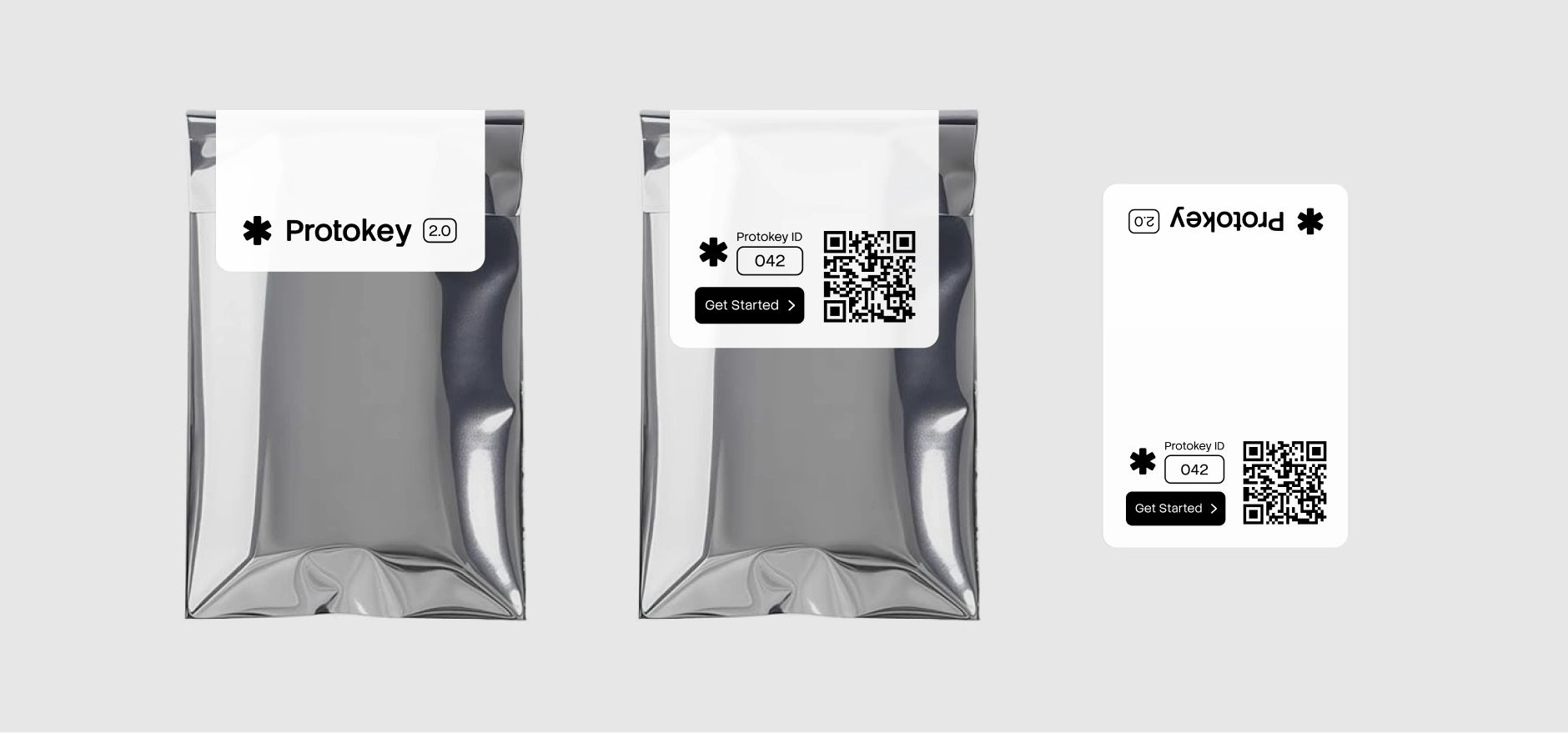
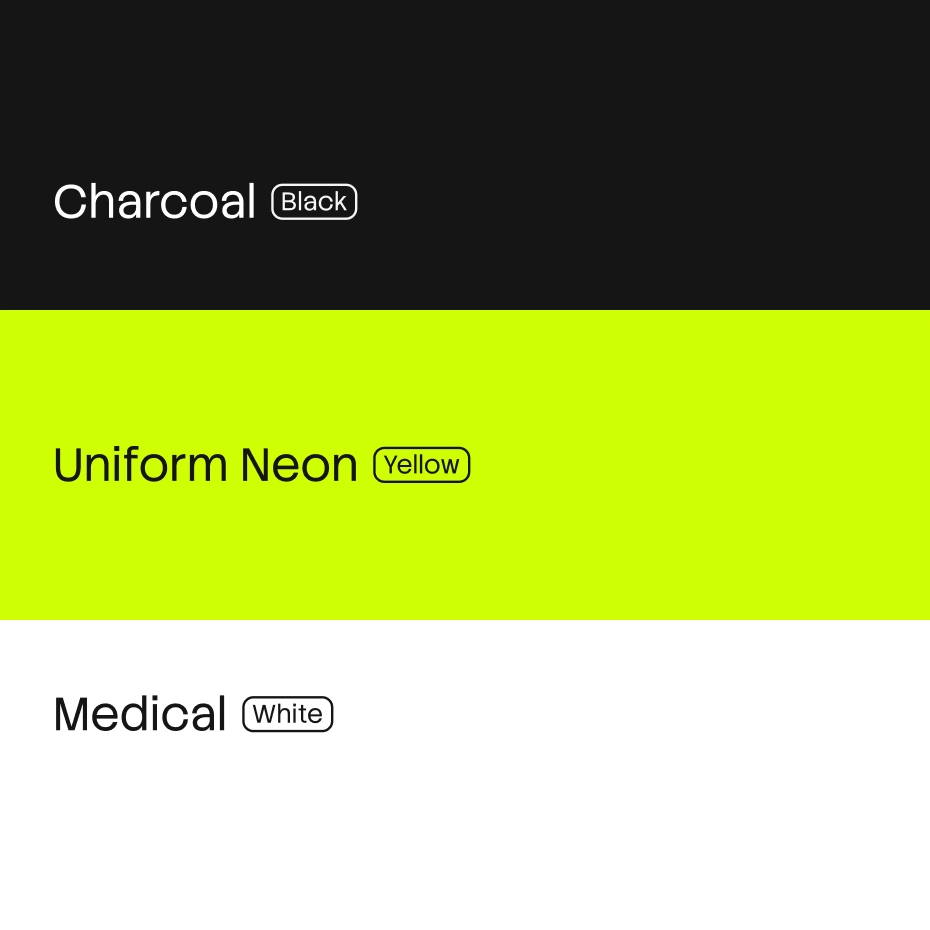
The visual identity of Protokey is intentionally minimal and functional. Graphic elements, typography, and color usage follow the same principles as the product itself: clarity, restraint, and reliability. The design language avoids visual noise and unnecessary emphasis, focusing instead on legibility and calmness. This creates a consistent identity across hardware, app interface, and documentation — one that feels trustworthy, technical, and purpose-driven rather than just consumer-oriented.

Product

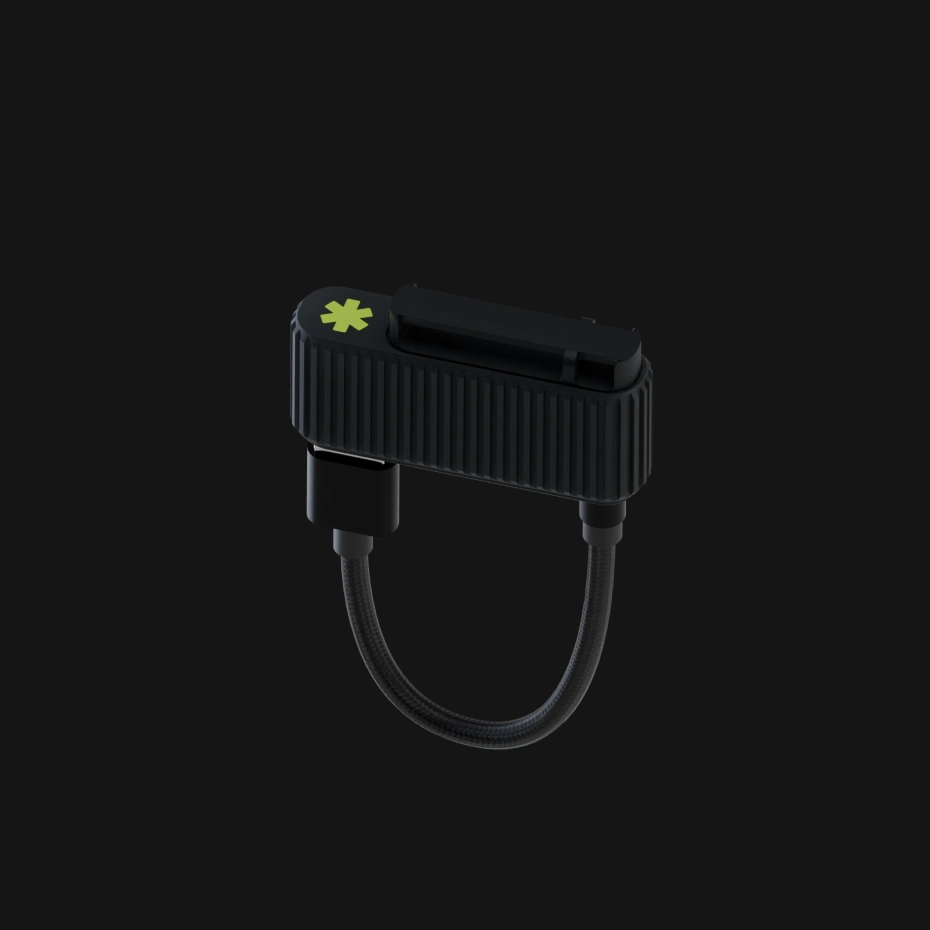
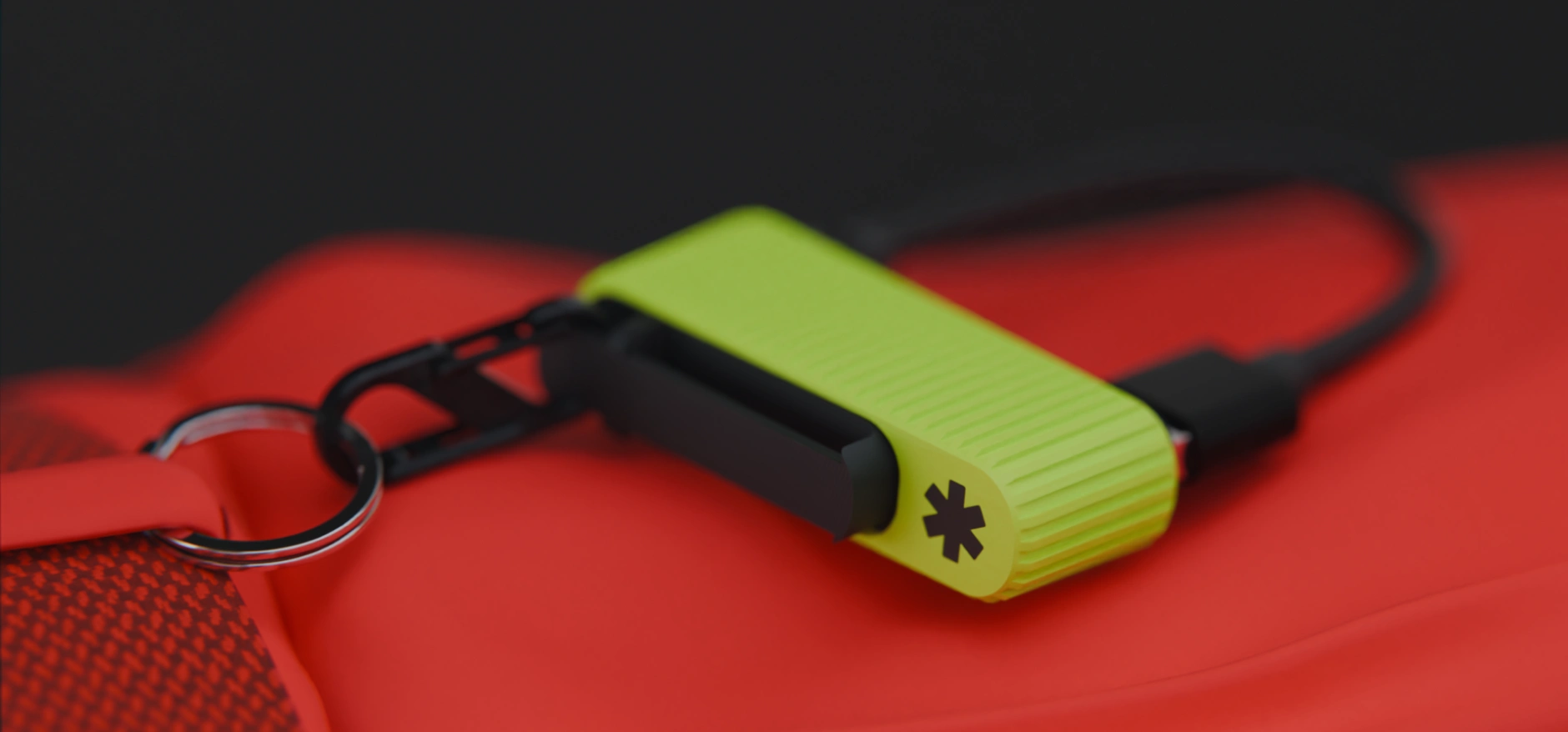
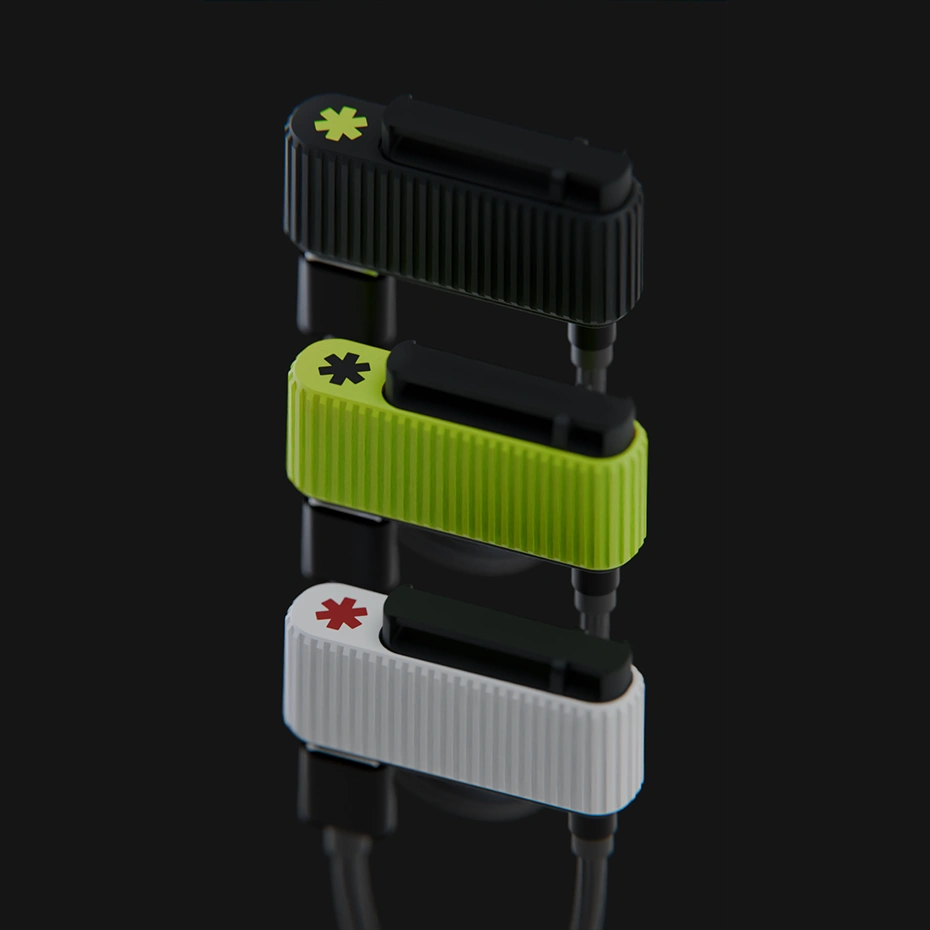
Protokey is a compact USB input device housed in a durable, 3D-printed enclosure designed for everyday professional use. Internally, it is based on a ESP32-S3 microcontroller platform and operates as a standard USB HID keyboard. Text is transmitted wirelessly via Bluetooth Low Energy from a paired smartphone and output directly to the target system as keystrokes. No data is stored on the device itself, keeping the hardware simple and robust.

App

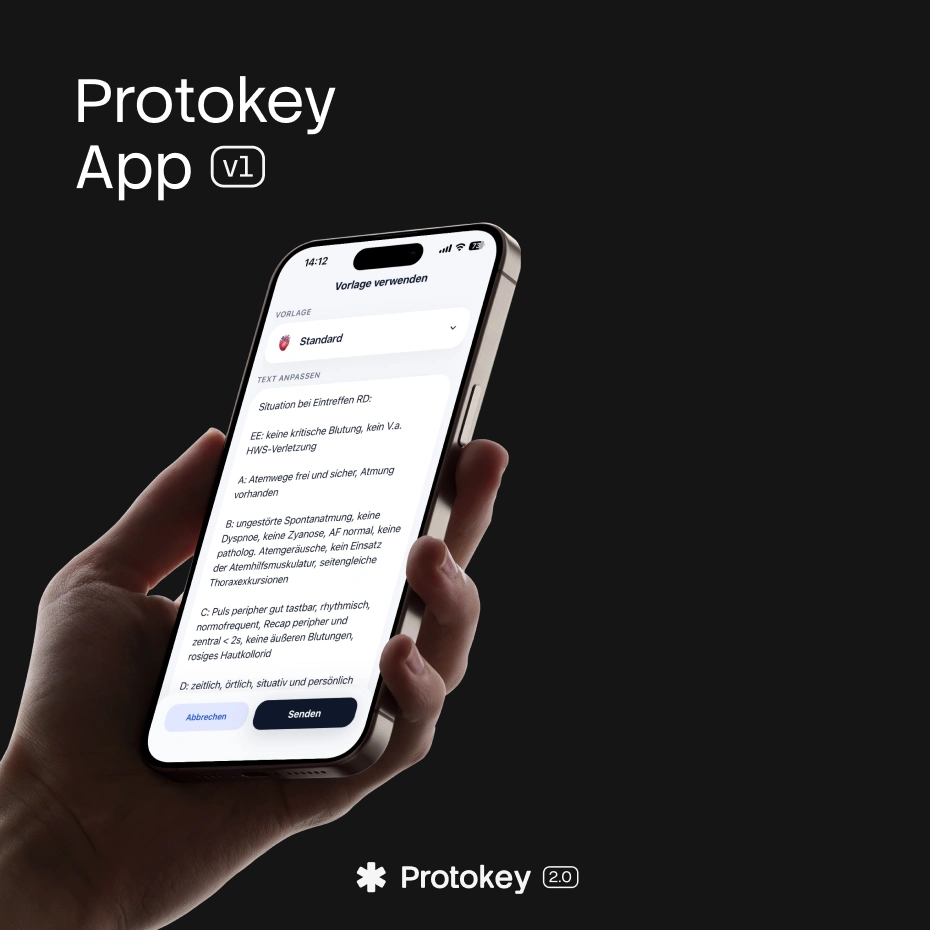
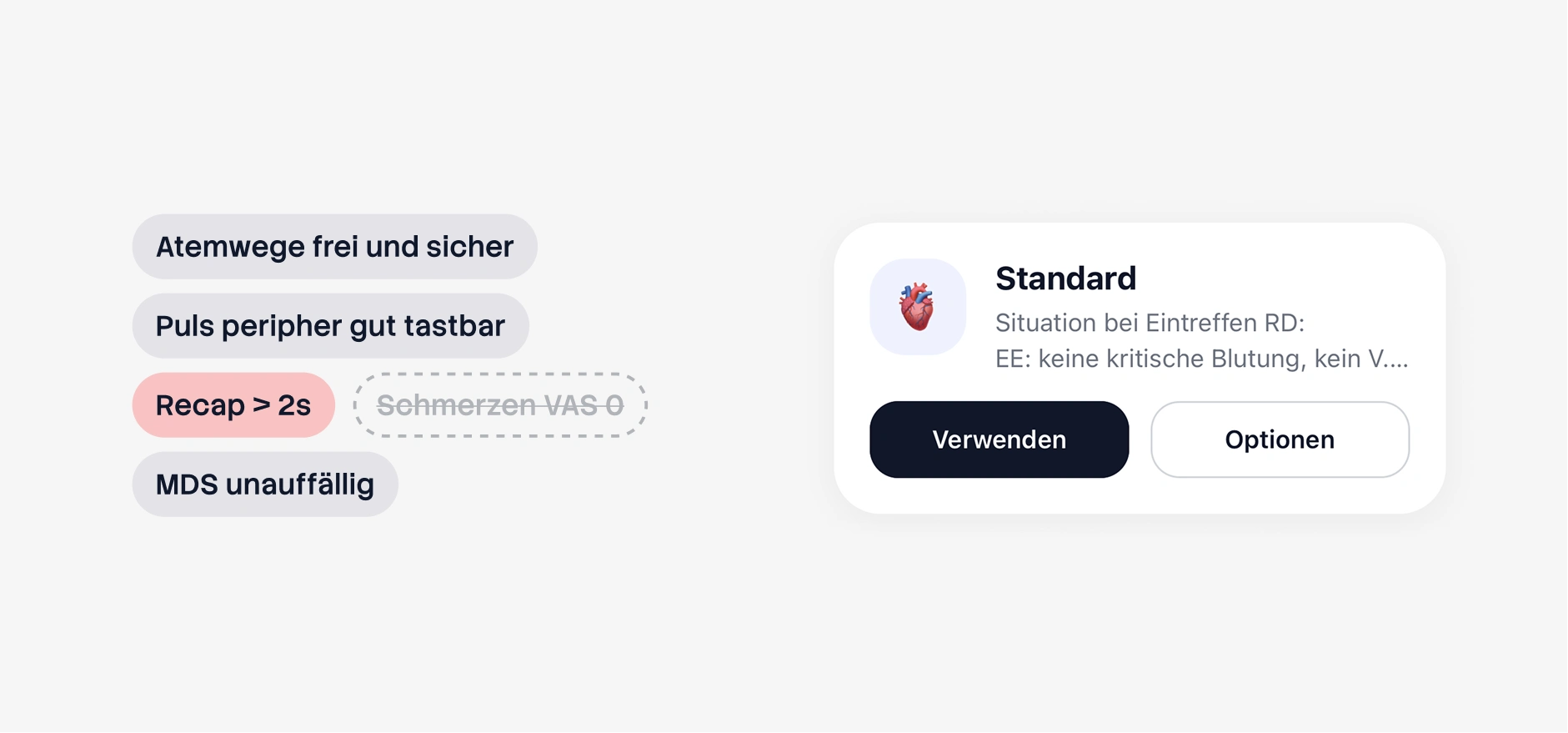
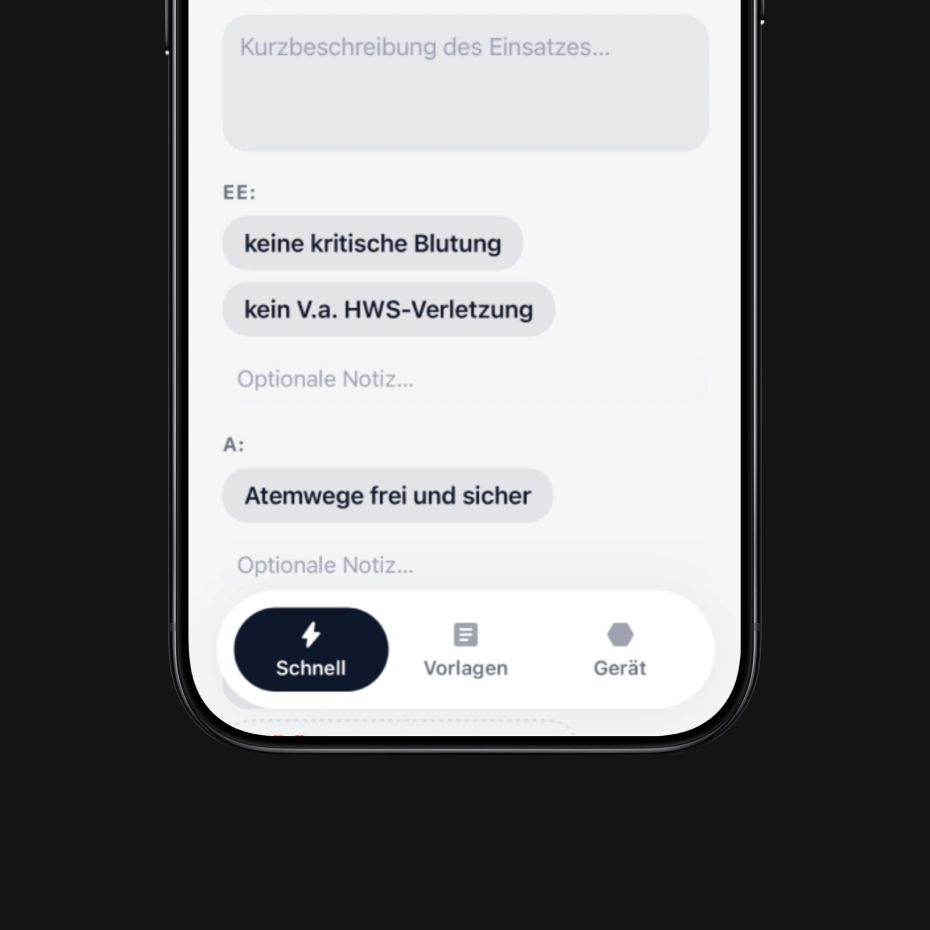
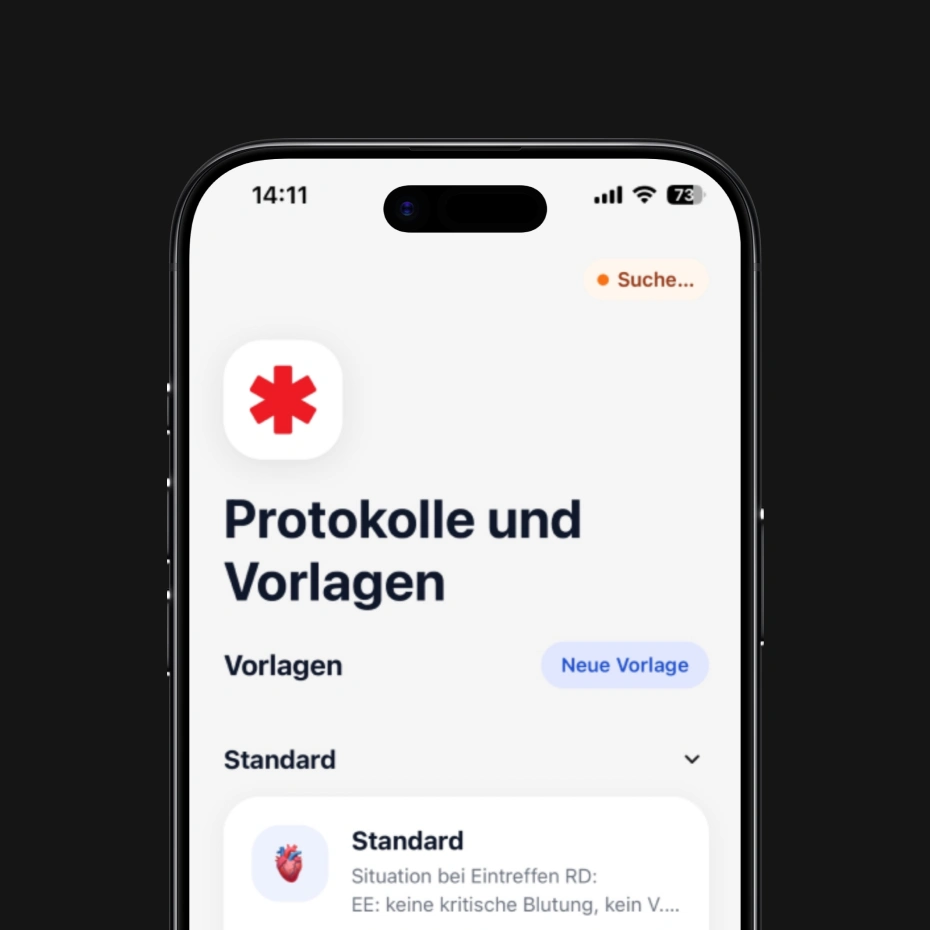
The companion app is designed as a local, offline-first tool for creating structured documentation. In addition to writing free text, it includes a protocol builder that allows users to create, edit, and manage standardized documentation templates directly within the app. These templates can be prepared in advance and adapted on the fly. With a single action, the generated text is transmitted to Protokey, which outputs it as keyboard input. The interface prioritizes speed, clarity, and low interaction effort, reflecting the realities of emergency work, while visually maintaining the same restrained design language as the hardware.